
Why Do I Still Yearn for My Ex After Divorce?
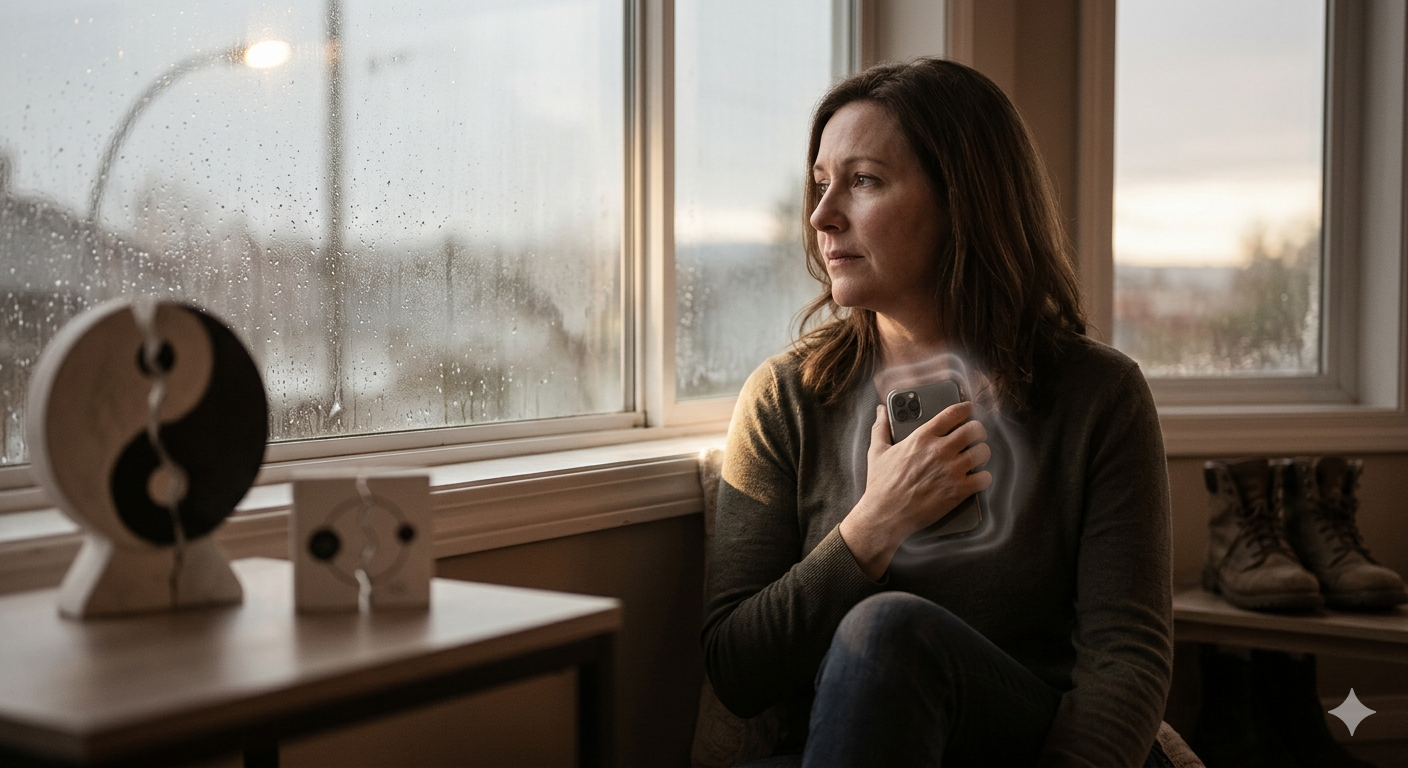
I recall the first few months following our separation. A profound sense of relief, anxiety, and grief washed over me as I finally broke free from this nearly 2-decade grueling marriage. Yet, with this newfound freedom, there was at times, a lingering urge to chat with him, and at times it persisted. I would, over the years, turn to him in moments of great stress. About four months after our separation, I encountered a scam phone call that left me shaken. This incident remains clear in my memory: a fraudulent call from the Canada Revenue Agency (CRA), threatening legal repercussions about my taxes. They got me worked up and scared as I was never involved with taxes.
I got off the phone, and in a moment of panic, I instinctively reached for the phone and called him.
The Harsh Reality
However, the harsh reality soon dawned on me, he was no longer that person. It was an instinctual thing that I had done for many years regardless of the type of support I got back. Despite enduring 19 tumultuous years together, the dissolution of our marriage left me unsettled. What I did not know back then that I do know is I was losing my secure base and safe haven, even if it was not that strong of one.
The Anatomy of a Trauma Bond

What made this instinct even more confusing was the reality of the marriage itself. It wasn't just "difficult"; it was abusive. For two decades, I lived in a cycle of walking on eggshells and hypervigilance, or what I like to call internal scanning where you scan every mood and movement. I became a shell of myself, with self-worth so low I didn't recognize the person in the mirror.
This is where the "10%" comes in.
In my blog, Why it only feels good 10% of the time, I talk about the science of Intermittent Reinforcement. In a healthy relationship, kindness is consistent. But in a toxic one, affection is a gamble.
Think of it like a slot machine. If a machine never paid out, you’d stop playing. If it paid out every time, you’d get bored. But if it pays out just 10% of the time, randomly and unpredictably, your brain becomes chemically addicted to the "win."
The Cruel Irony
This is why trauma bonds are so hard to break. When you are in a state of high alarm, your nervous system cries out for the person who was the primary source of your stress. Because for twenty years, those rare moments of "good"—that 10%—were the only "home" you knew.
Those tiny scraps of affection weren't just nice gestures; they were dopamine hits that relieved the agony of the other 90%.
Acknowledging this is vital. It explains why the guilt and yearning feel so much heavier; you aren't just grieving a partner, you are deprogramming a biological addiction. You are learning that you deserve a "home" that feels safe 100% of the time, not a jackpot you have to suffer to win.
What Is a Safe Haven and Secure Base?
The term "safe haven" denotes seeking support and solace from a trusted individual such as your husband or wife during times of turmoil or stress. Think of it as when you got into a family fight or you have a health scare. A "secure base" embodies the reassurance of having someone who encourages and supports your exploration of the world, such as changing careers or pursuing personal growth initiatives.
Why I Called Him
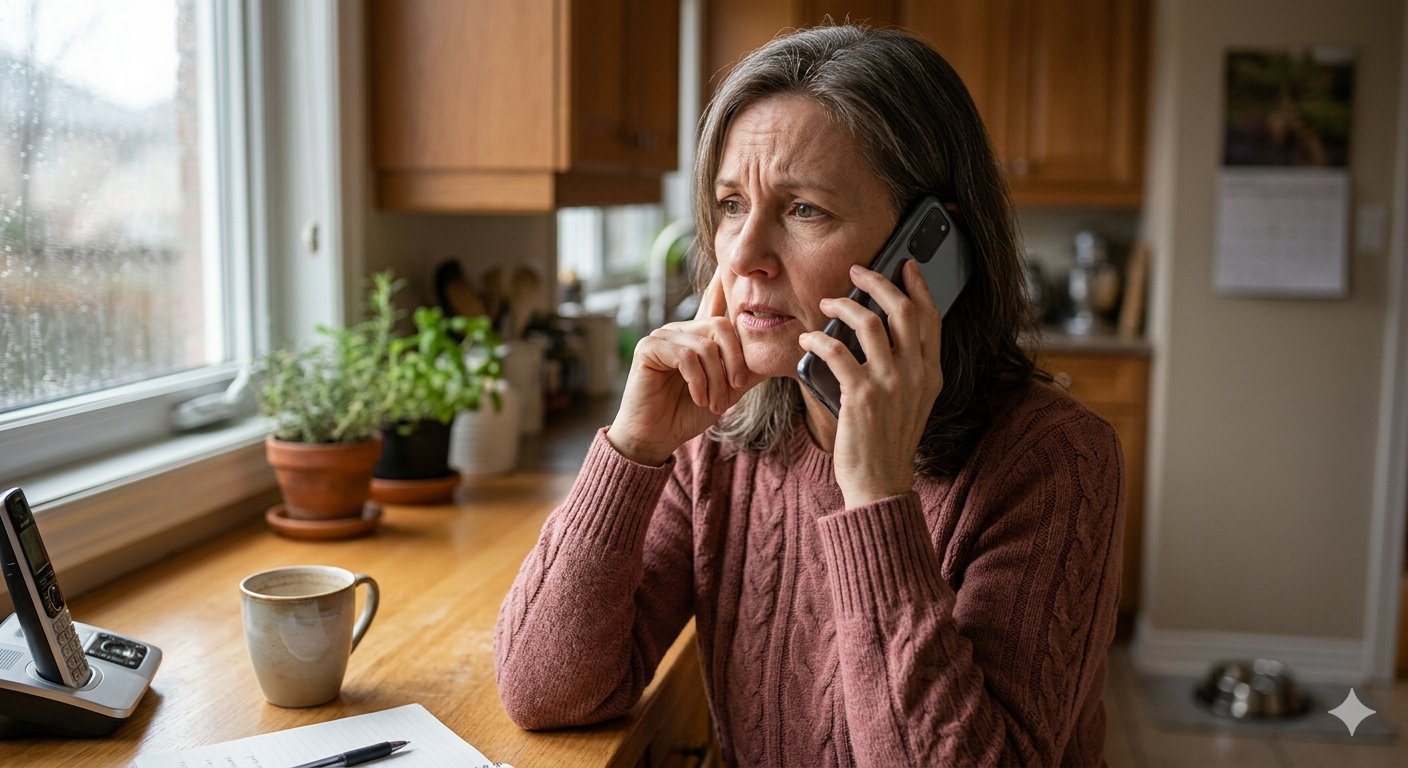
When I instinctively reached out to my ex-partner during a moment of panic, it highlighted a common phenomenon experienced by individuals navigating through divorce, the persistent yearning for emotional support from a former spouse. This yearning often persists despite the abusive nature of the relationship and the relief felt after separation. While it may seem contradictory to seek comfort from someone who caused so much pain, understanding the underlying reasons behind this behavior can provide valuable insight into the complexities of detachment distress in divorce.
Psychologists suggest that this yearning stems from deep-seated emotional attachment formed over years of shared experiences, both positive and negative. Despite the abusive nature of the relationship, the emotional bond formed with your ex-partner may have served as both a "safe haven" and a "secure base". They may have provided some sort of comfort during times of distress and may have encouraged you with something. What we have to understand is that your attachment to your ex isn't easily severed by physical separation, and for some absence of this familiar source of support can leave individuals feeling adrift and unsettled.
The Role of Attachment Patterns in Coping with Divorce
Attachment theory suggests that early interactions with caregivers shape attachment styles, influencing behavior and emotional responses in adult relationships; for instance, experiencing an antagonistic parental divorce led to my anxious attachment style, potentially affecting feelings of detachment. For those of us with an anxious attachment style, the "10% rule" of intermittent reinforcement is particularly dangerous. Because we may have grown up fearing abandonment or inconsistent love, our brains are wired to "protest" when a connection is severed. This is why the yearning feels like a physical ache, it is our nervous system trying to pull a "Safe Haven" back toward us, even if that haven was actually a source of pain.
Similarly, individuals with an avoidant attachment style may struggle with detachment in different ways, such as minimizing their emotions or distancing themselves from their former partner. They may appear to move on quickly or act indifferently, but this is often a deeply ingrained defense mechanism to avoid the vulnerability of grief. Conversely, those with a secure attachment style typically exhibit greater emotional resilience and adaptability, facilitating healthier coping mechanisms during divorce.
These attachment patterns can significantly impact the dynamics of post-divorce relationships and the process of healing and moving on. Understanding your style is like finally having a map of your own triggers; it explains why your heart screams "reach out" while your head says "stay away." Moreover, having an anxious attachment style during divorce can amplify emotional distress and hinder detachment from the former partner.
Therefore, the yearning for your ex-partner isn't solely rooted in romantic love, but also in the deep-seated attachment formed over years of shared experiences and emotional dependency. You aren't "weak" for wanting to call him; you are simply navigating a blueprint that was drawn long before the marriage began. Recognizing and acknowledging this attachment is an essential step in the process of healing and moving forward after divorce.
How You Can Feel the Detachment

It was undoubtedly a tumultuous period. One morning, you would awaken feeling a surge of relief, grateful to have escaped the confines of your marriage. Yet, the next day, a wave of sadness or anger might engulf you. I recall a particular instance about 5 months after the separation when he called, and against my better judgment, I answered. He spoke for over two hours, and I simply listened because I am a appeaser as well and back then I had no external or internal boundaries. It also became evident that he, too, was missing my attention that I had given to him for two decades.
Detachment distress can surface in various ways, each presenting its own set of challenges. Initially, individuals may grapple with intense feelings of yearning for that person and you may have been the one that had left the marriage. For some, they can also experience a lot of sadness and grief as they come to terms with the end of their relationship.
Managing the aftermath of a divorce can be especially challenging for those caught off guard or still struggling with lingering emotions. The absence of emotional connection, shared experiences, and plans with their partner can intensify these feelings, exacerbating the difficulties of coping with the situation.
When people experience detachment distress, they often feel lonely, isolated, and unsure about what's ahead. They start questioning who they are without their partner and find it hard to adjust to being single. This detachment can also make them anxious and fearful about facing life without their partner's support. This is very similar to how widows and widowers feel.
Some tips to help manage the detachment distress
Expect the "Pull": Understand that feeling an urge to talk to your ex or experiencing emotional "tugs" is a natural part of the attachment system, even if you felt relieved to leave. It is a survival instinct, not a sign that you made a mistake.
Take Things Slow: Allow yourself time to heal and adjust to the changes brought about by divorce, avoiding the temptation to rush into new relationships or major life decisions.
Focus on the Future: Set goals and aspirations for yourself, focusing on building a fulfilling and happy life beyond the divorce. These can be small ones not always big steps.
Stay Positive: Maintain a positive mindset and believe in your ability to overcome challenges and create a bright future for yourself, despite the difficulties of divorce.
Recognize: Detachment in divorce doesn't signify the end of caring, but rather indicates a readiness to move forward and engage with new connections. Understanding the dynamics of grief in divorce situations is crucial for individuals to manage their emotions and progress towards healing in a positive manner.
Gain clarity: Understanding the dynamics of your past relationship aids in coping and progressing forward.
Letting go: Holding onto feelings for an ex can impede personal growth and hinder the healing journey.
Navigating the aftermath of a divorce can feel like traversing uncharted waters, and strangely, the journey can be filled with unpredictable emotions, ranging from highs to lows. It's essential to recognize that experiencing these emotions is natural and part of the healing process. Understanding that feeling the urge to talk to your ex or experiencing emotional pulls is natural, even if you felt relieved after the marriage ended. I was confused when it happened to me, but over the years, and after studying grief and our attachment systems, I understand it now
Taking time to understand and process your feelings can significantly impact your recovery. Remember, you don't have to go through this alone. Reach out to trusted friends, family members, coach or a therapist who can provide support and guidance as you navigate through this challenging time. Facing detachment distress head-on is a crucial step toward moving forward after divorce. By acknowledging your emotions and seeking assistance, you can gradually overcome obstacles and emerge stronger, prepared to embrace the next chapter of your life.

Take the Next Step with Confidence
Divorce is overwhelming, but you don't have to navigate it blindly.
Just Separated: A Hands-on Workbook for Your Separation and Divorce is designed to be your practical roadmap through the emotional and legal fog. Instead of a dense manual, it’s a toolkit you can jump into exactly where you need help most—whether that’s co-parenting logistics or reclaiming your financial independence.
Stop guessing and start rebuilding.