
When Your Child Picks Up a “Flea”: Traits Learned from a Narcissistic Parent
I was attending a training on narcissism when the psychologist said something that stopped me in my tracks:
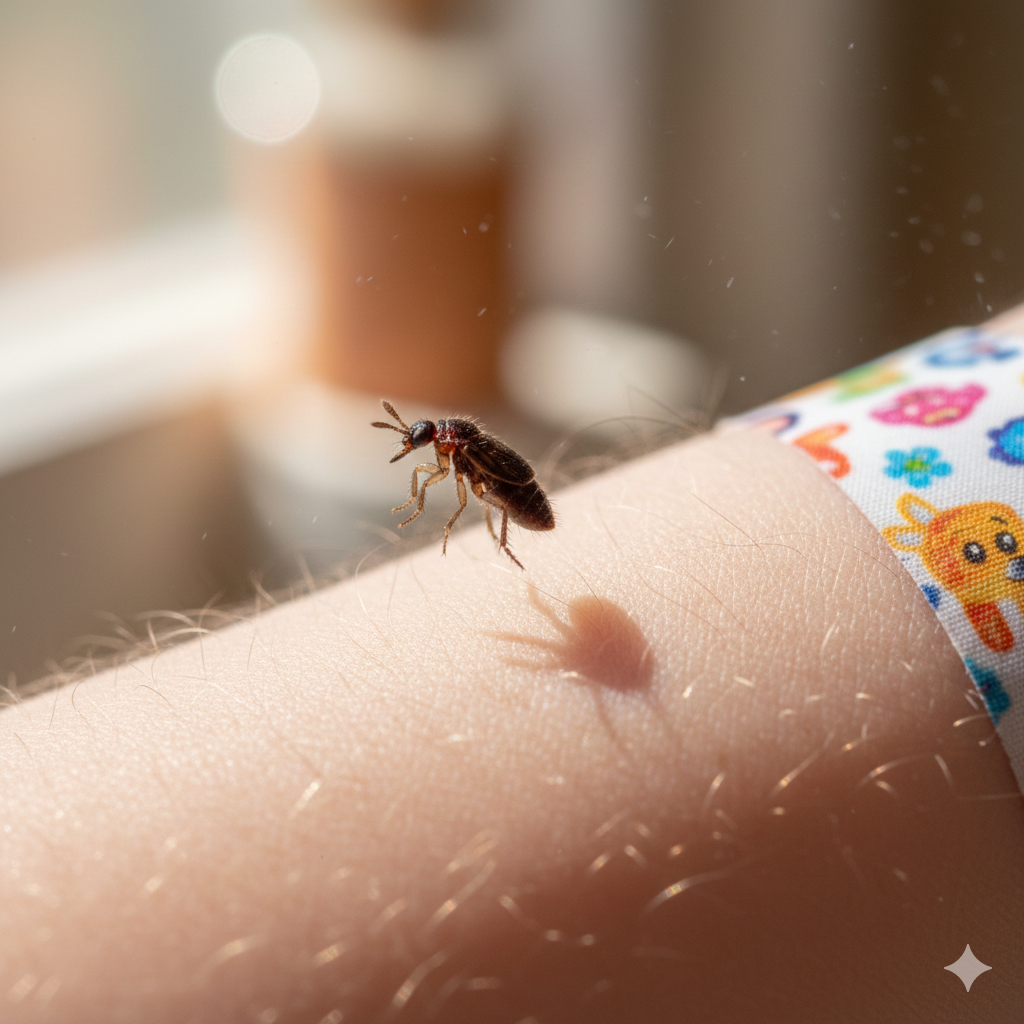
“Children who grow up around a narcissistic parent can sometimes pick up a few fleas.”
She explained that “fleas” are the coping traits children develop after living in a toxic or self-absorbed environment. It doesn’t mean they become narcissists, far from it, but they may carry behaviors they learned to survive.
It’s understandable that the odd “flea” might show up in your children, too; they spend time with that parent and naturally pick up some behaviors. But it’s rarely intentional; it’s usually just a reflection of the environment they’ve had to adapt to.
I remember thinking, Wow, I’ve never heard it put that way before, but over the years, I’ve seen how true it can be. Whether in my own family of origin or in others I’ve worked with, those “fleas” can manifest in subtle ways, such as defensiveness, people-pleasing, or struggling to trust. I’ve also become aware that I picked up my mom’s fawning flea.
Here are a few other ways those “fleas” might appear:
Quick defensiveness — reacting sharply when feeling criticized or misunderstood.
People-pleasing (fawning) — working too hard to keep others happy to avoid conflict.
Emotional shutdown — going quiet or distant when things feel tense.
Controlling behaviors — trying to manage others’ reactions to feel safe.
Difficulty with accountability — deflecting blame or making excuses when confronted.
Exaggerated emotions — big reactions that seem disproportionate to the situation.
Low trust — assuming others will disappoint or abandon them.
Perfectionism — believing they need to “get it right” to be accepted or safe.
Social anxiety — avoiding attention or social situations out of fear of judgment or rejection, often rooted in past emotional danger.
These traits don’t mean your child is broken; they’re signs that their nervous system has adapted to a difficult environment.
Not every child will have these traits, and most will show them only in specific contexts, but when they do, it’s usually a sign of adaptation, not identity.
It’s also important to remember that not all “fleas” come from the narcissistic parent. Sometimes, children pick up traits from the survivor parent as well, such as people-pleasing, which is the fawn response, or over-apologizing. These patterns often form when the healthier parent has spent years walking on eggshells or trying to keep the peace in a tense home. Children see that, and they learn that safety comes from keeping others calm and avoiding conflict.
Why Children Pick Up a Flea or Two
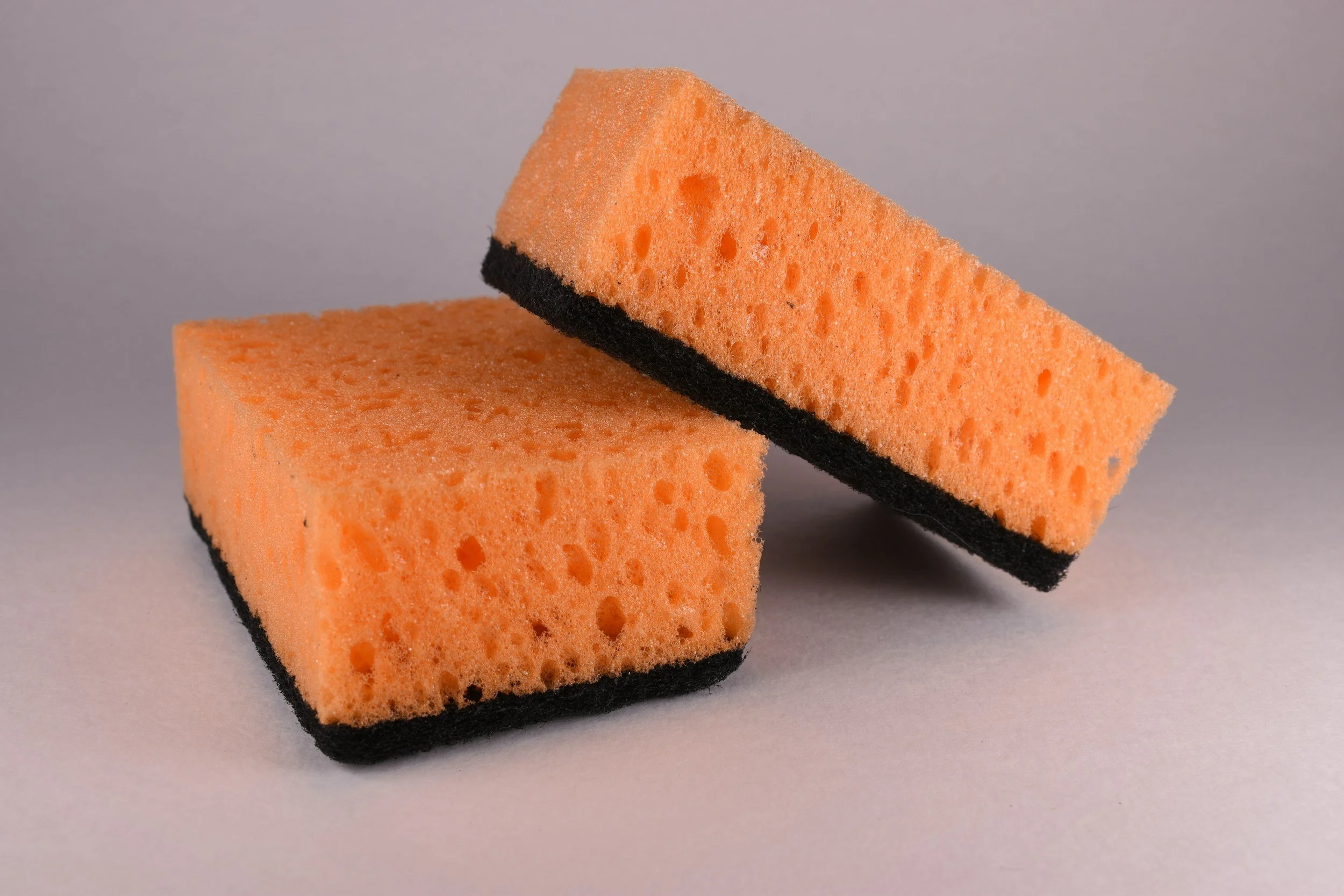
Children are emotional sponges. They learn how to navigate relationships not by what we tell them, but by what they witness day after day.
When a parent is self-absorbed, critical, or unpredictable, a child’s nervous system adapts to stay safe. That might look like becoming overly compliant to avoid conflict, mirroring the parent’s intensity to get attention, or shutting down to protect themselves from rejection.
Over time, those survival responses become habits, automatic ways of being that can carry over into other relationships, even when the child is in a safer space.
So when you notice your child sounding or acting like your ex, it’s not because they’re “turning into” them. It’s because their body and brain have learned patterns that once kept them emotionally afloat.
A Personal Reflection
Sometimes I think my own children have picked up a flea or two, and they have. There are moments when I hear a sharp tone or see a defensive reaction, and for a second, it stings. I think, oh no, “this sounds just like their father”
But what comforts me is what comes next, eventually, as it can take some reflection time, they almost always soften. They’ll pause, reflect, and say, “Oh, Mom, I’m sorry about that,” even hours later.
That empathy, that ability to reflect and repair, reminds me they are not their parent. They simply picked up those traits to survive the toxic house we were all living in. They saw those behaviors on full display and, like little sponges, absorbed them as a form of self-protection.
And in some ways, they absorbed parts of me, too, the fawning, the appeasing, the constant emotional scanning to keep peace. I see those moments now with so much compassion because I know they learned those patterns from watching me survive. That realization brings deep sadness and grief, knowing my children had to grow up in that toxicity.
Now that I understand where it comes from, I can meet those moments with empathy instead of guilt or fear.
When You See Your Child Mirror the Other Parent

For many parents, this realization can be unsettling. You might notice your child mimicking your ex’s tone, defensiveness, or need for control, and instantly feel a wave of fear: “Oh no, are they turning into their parent?”
But here’s what’s important to understand: these behaviors are often survival tools, not signs of a personality disorder. Children learn what keeps them safe and connected. If being overly agreeable, controlling, or emotionally guarded helped them navigate one parent’s moods, those patterns can linger even when they’re with you.
Instead of seeing these traits as reflections of the other parent, see them as signals of what your child has been adapting to. With time, consistency, and emotional safety, many of those learned behaviors begin to fade.
How to Respond Without Reacting
When you notice those moments, it helps to pause before responding. Take a breath. Your child isn’t trying to hurt or trigger you, they’re simply replaying what they’ve seen modeled.
You might say something gentle like:
“That sounded a bit sharp, do you want to try that again?” or
“I noticed your tone changed just then, are you feeling like you have to be extra tough right now?”
This helps your child reflect without feeling shamed or criticized. It also builds emotional awareness — showing them that how we speak and act affects others, and that your home is a safe place to practice new ways of communicating.
Helping Them Unlearn the “Fleas”
Children don’t unlearn survival habits overnight, but they do respond beautifully to consistency, empathy, and structure. Here are a few ways to support that process:
Model emotional regulation. When you stay calm in moments of tension, your child learns that safety doesn’t require control or defensiveness.
Name emotions out loud. “It sounds like you felt ignored when I said no.” This helps them identify feelings instead of reacting to them.
Offer repair. If things get tense, model how to apologize and reconnect — it teaches them that love isn’t withdrawn when conflict happens.
Create predictability. Clear routines and boundaries help replace anxiety-based behaviors with a sense of safety.
A Final Thought
Seeing your child show traits of your ex can be painful; it can stir old wounds and fears about history repeating itself. But remember: your child isn’t your ex. They’re a growing, adaptable human being who’s simply learning how to be in the world.
Sometimes, unlearning these patterns requires more than just time, it requires a safe space to process. If these behaviors feel deeply ingrained or are causing significant distress, working with a therapist can be an invaluable tool. Therapy provides both you and your child with a neutral ground to navigate these "fleas," helping to replace old survival habits with healthy new coping skills.
With your steady presence, the right support, and emotional leadership, those “fleas” lose their power. What remains is your child’s true self: capable, kind, and free to grow in the light of a different kind of love.

Take the Next Step with Confidence
Divorce is overwhelming, but you don't have to navigate it blindly.
Just Separated: A Hands-on Workbook for Your Separation and Divorce is designed to be your practical roadmap through the emotional and legal fog. Instead of a dense manual, it’s a toolkit you can jump into exactly where you need help most—whether that’s co-parenting logistics or reclaiming your financial independence.
Stop guessing and start rebuilding.
👉 [Download your free 22-page sample here] 📖 [Order the full workbook on Amazon Worldwide]