
Why we ignore the warning signs for "one more holiday", and how to find clarity when nostalgia fades.
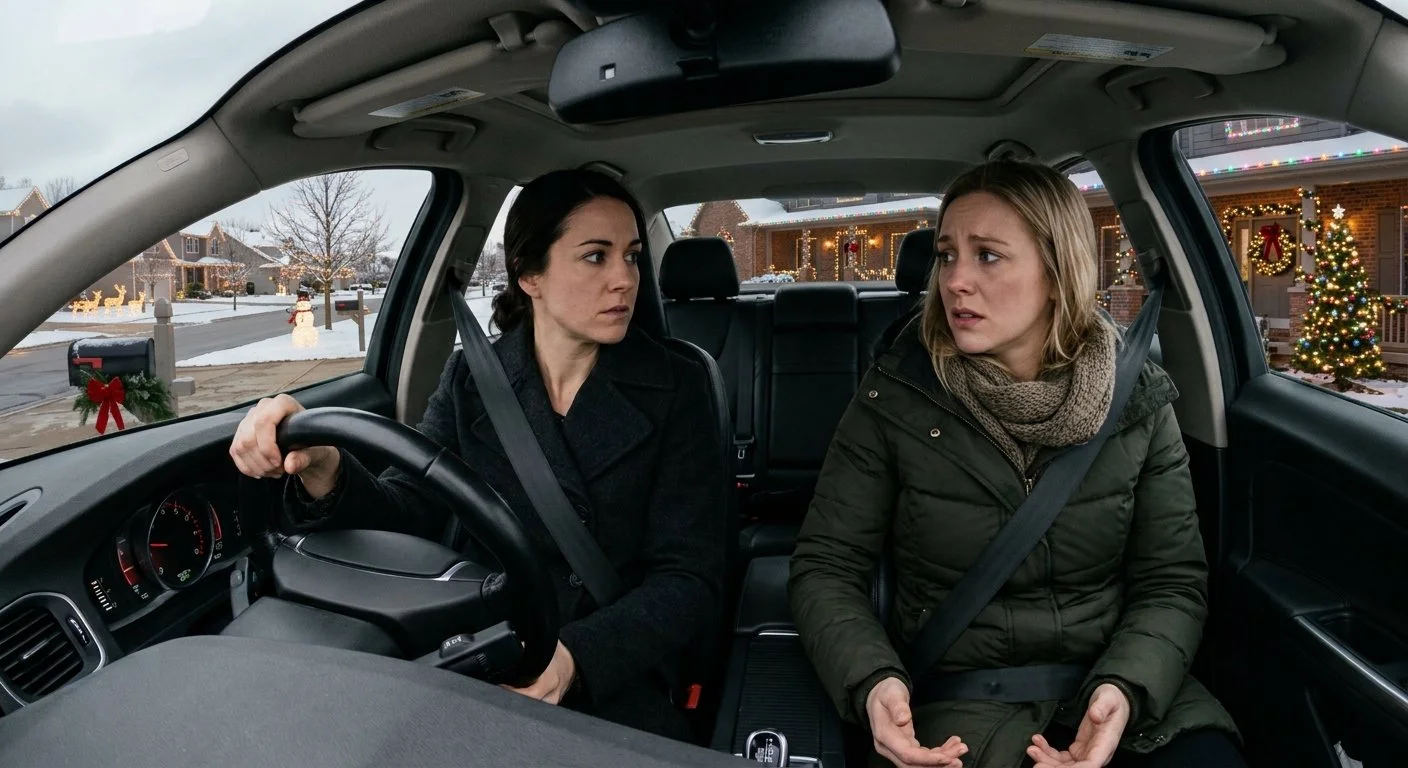
Years ago, sitting in a parked car after a long day of Christmas shopping, my former sister-in-law turned to me with a quiet look on her face. I had only been married for about a year at the time.
She asked, "Can we talk?"
I said sure, expecting standard holiday small talk. Instead, she looked at me and said, "I think this is the last Christmas I am going to have with Mark and our two kids."
I was stunned. "What?" I had naively thought they were doing well.
She explained that she was holding it together for the children through the holidays, but once Christmas passed, she was leaving. She couldn't do it anymore. She wanted to talk to me because my parents had divorced when I was a child, and she hoped I might have some insights on how to help her kids through it.
When the holidays ended, she ended her marriage.
Back then, listening to her in that car, I never imagined that 17 years down the road I would be standing in her exact shoes, thinking the exact same thing.
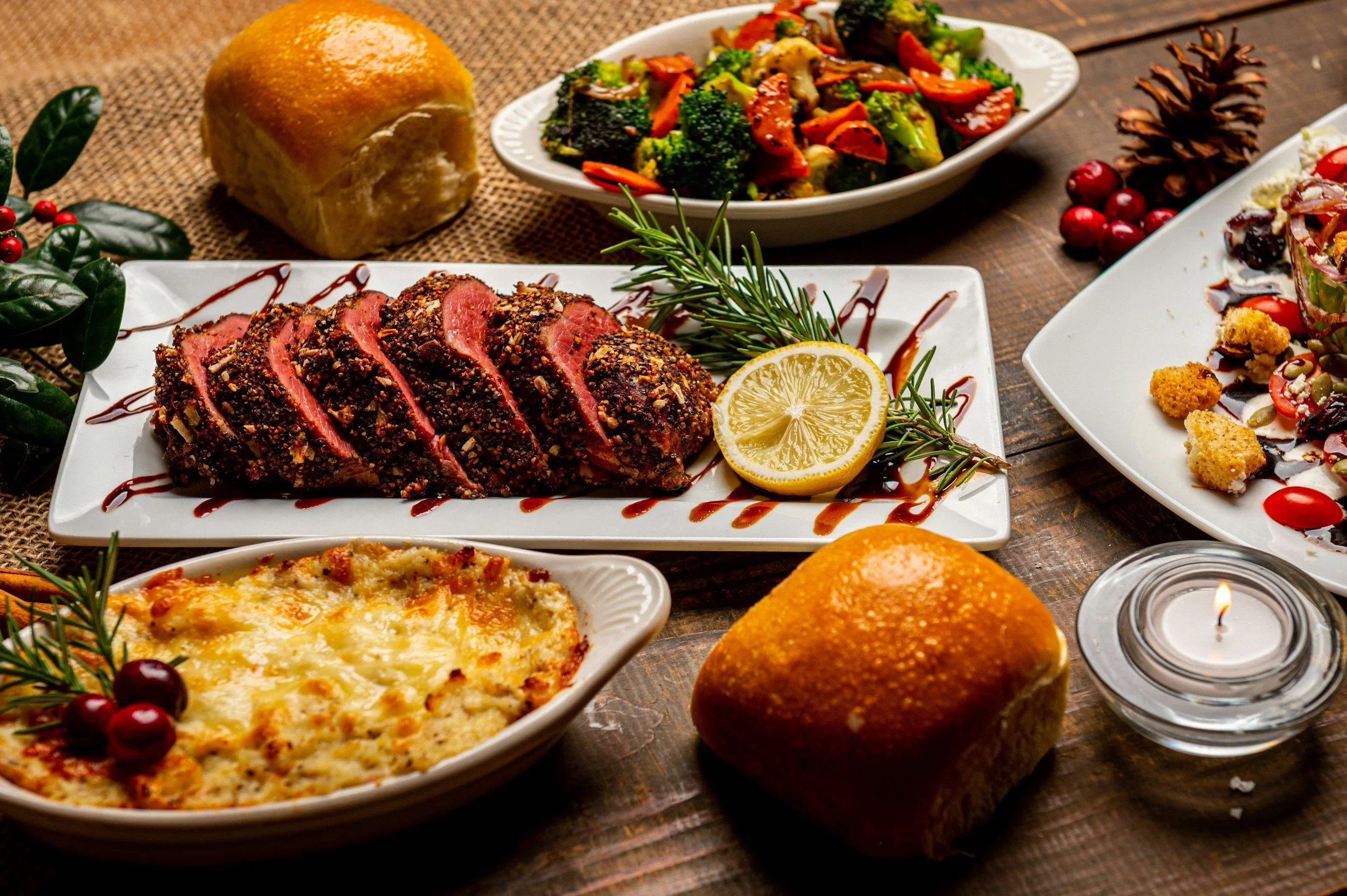
My marriage had been falling apart for years. I had tried to leave five times. On my second-to-last Christmas Eve, I spent days getting everything ready. I cooked a roast beef dinner and wrapped all the gifts. The kids were hanging out, and everyone was doing fairly well. My ex had gone into work that day, surprising, but not unusual for where we were at that point in our marriage.
The dinner was ready, the table was set, and I called him to say it was time to eat. I can't recall if he answered or if it went straight to voicemail, but after trying again, I simply told the kids, "Okay, let's eat." And we did. The children didn't make much of a fuss; by that point, he wasn't around much anyway.
Sitting there at the table, humiliated and completely exhausted, I thought: How much more can I really take?
Just like my sister-in-law 17 years prior, I pulled through that Christmas for the sake of the family. Deep down, the decision was already made. I actually survived one more holiday season after that before I finally walked away.
(Years later, in the summer of 2026, she passed away suddenly, and I reflected on that bond in a previous post: No Legal Right, But a Human Right: Grieving the Death of an Ex-Family Member).
The Slow Burn: Why This Decision Takes Years

People looking from the outside often assume a divorce happens suddenly.
In reality, couples wait an average of six years from the onset of serious strain before taking action, according to research from The Gottman Institute.
For me, it took eight.
Divorce rarely happens overnight. Instead, it is a slow burn, a steady drip of quiet dismissals, unfulfilled promises, growing emotional distance, cheating, corecive control and financial abuse, like signing legal documents without explanation or destroying my credit.
Reaching the exit is the culmination of years of quiet deliberation, not a sudden impulse.
But while the burn was slow, there is almost always a single moment that seals it.
For me, it was when my mother was suddenly dying 8 years prior. While I was facing the raw heartbreak of losing her, he wasn’t there for me. He chose to go out with his friends instead. I realized that such betrayal was just too much for me.
At that moment, I started slowly waking up to who I was really married to.
The Unseen Grief Society Refuses to Support
As a thanatologist, I spend my career studying loss. I often notice what others miss when watching high-profile interviews of well-known people talking about their divorces. I remember watching supermodel Gisele Bündchen break down in tears when asked about the end of her marriage.
I thought: Yes. Even if she chose the divorce, she is still grieving it.
This is what our culture so frequently overlooks. We falsely believe that if you chose to leave, you aren't allowed to grieve, or that if you were left, you should just "get over it" and move on. The truth is that grief doesn't care who initiated the split; the loss belongs to both.
Yet society rarely offers enough support for this kind of loss. Because divorce is so common today, people often dismiss or judge it, assuming that just because something happens frequently, it shouldn't hurt deeply. Which is strange when you really think about it.
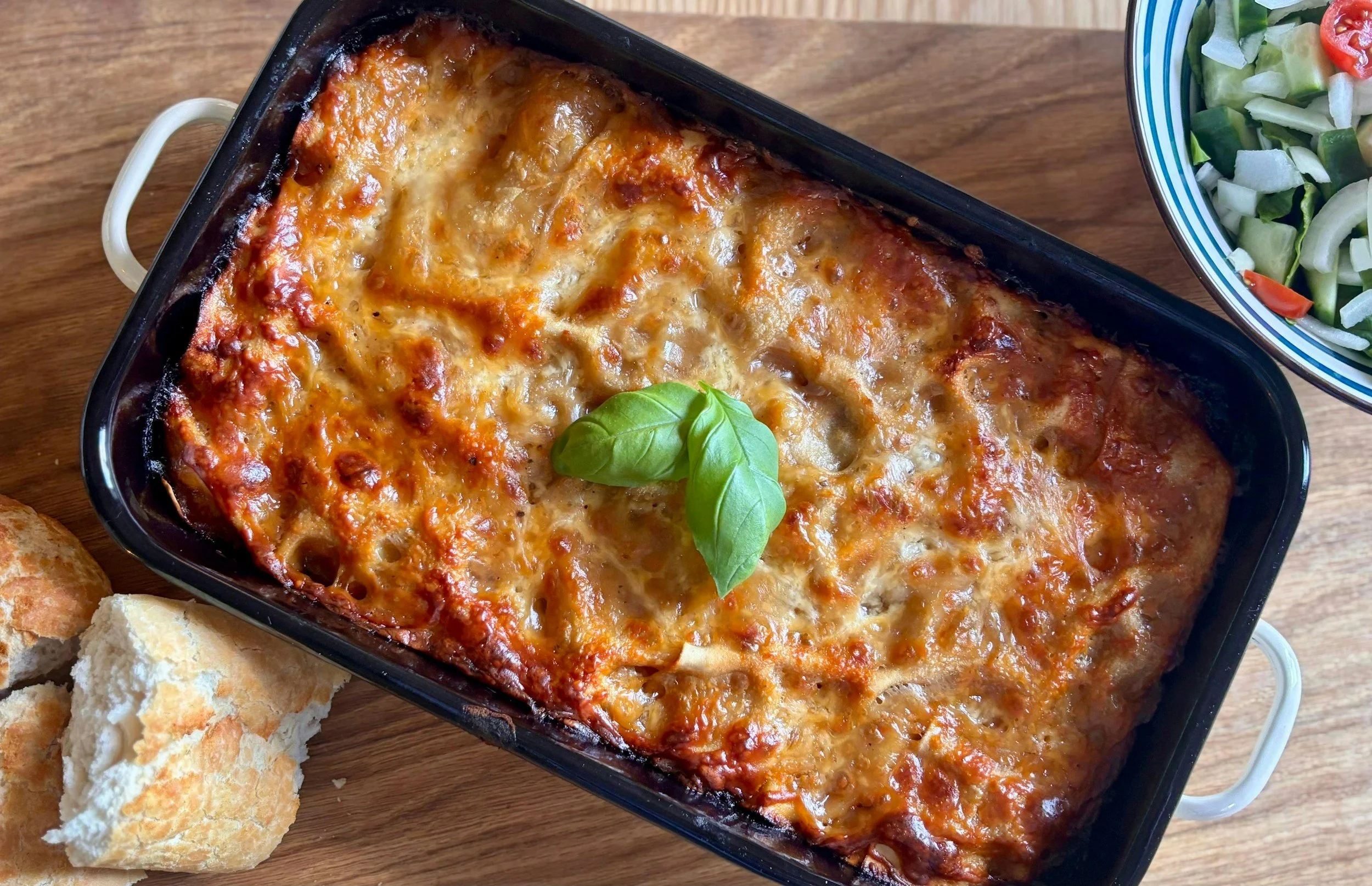
When a family member or friend dies, people bring meals, send flowers, and check in. (Still never enough, in my opinion, but the effort is there.)
When a marriage dies, however, society expects you to pass the gravy, smile for holiday photos, and carry an overwhelming loss in complete isolation. You aren't just adjusting to a life change fueled by unknowns and doubts; you are navigating a complex mix of guilt, grief and relief.
Disenfranchised Grief: Why We Don't Recognize Our Own Pain
The problem is that most people going through a divorce don't even realize that what they are feeling is grief.
In thanatology, we call this disenfranchised grief, a profound loss that society doesn't fully acknowledge, validate, or publicly acknowledge. Because there is no casket, no wake, and no sympathy card, we don't recognize that we are grieving. Instead, we call it stress, anxiety, failure, or sheer exhaustion. All of those feelings are entirely valid, but we miss the essential truth that we are grieving a real death.
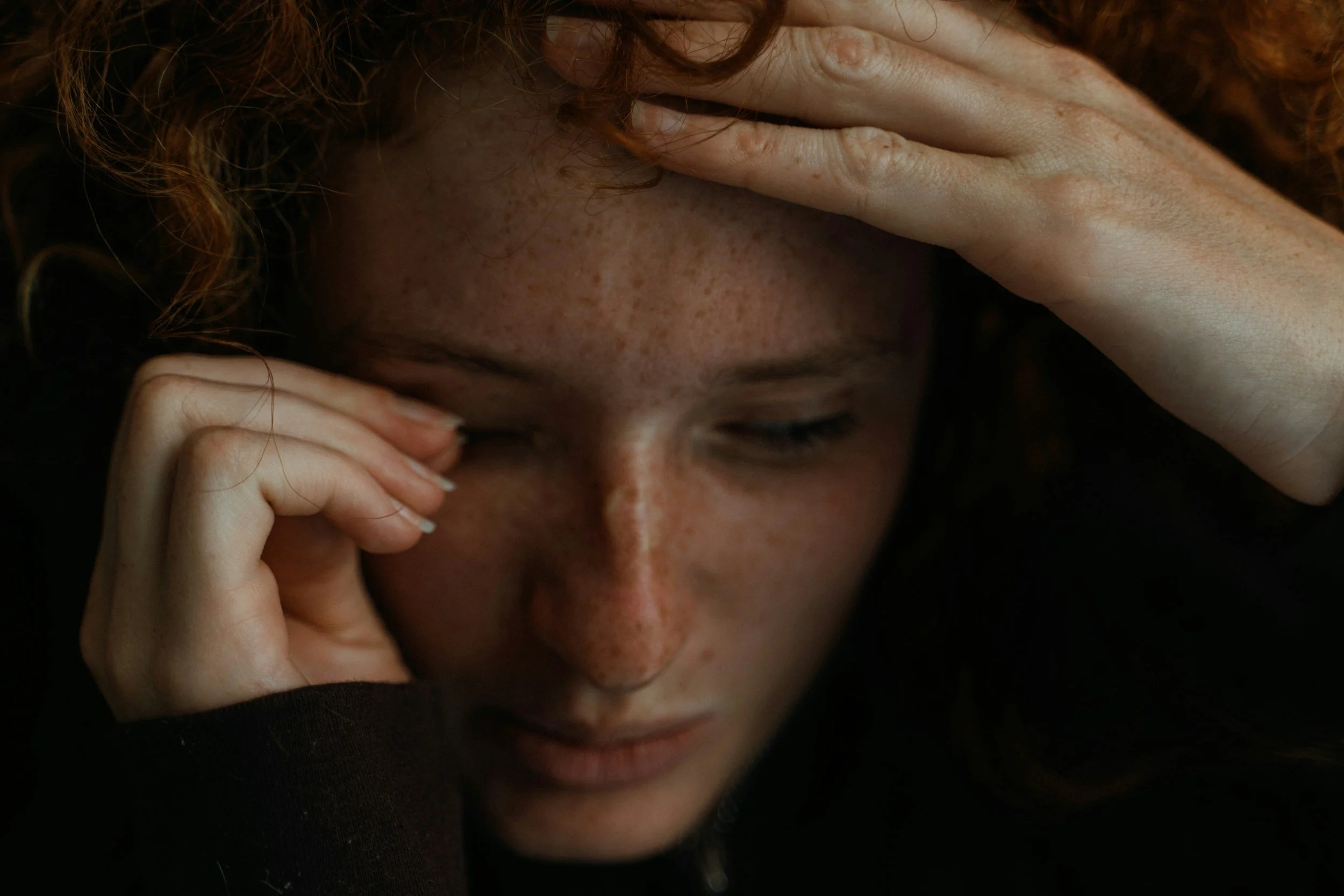
Some recognize the grief immediately; others have been grieving quietly for years before even leaving the marriage without realizing it. But for many, grief shows up in conflicting, unpredictable emotions that feel completely strange such as:
Relief wrapped in guilt and shame: Feeling an immediate, physical lightness because the constant walking on eggshells or tension has stopped, only to be hit the very next moment by intense guilt, followed by deep shame ("What kind of person feels happy or relieved while their family is falling apart?"), and ultimately profound sadness for everything that happened and everything that was lost. (If you are feeling shame and guilt, listen to our podcast episode on How to Deal with Shame and Guilt in Divorce.)
Anger masking sorrow: Furious at betrayal, financial strain, broken promises, or years of neglect. Anger has always been deeply connected to the grieving process, and divorce provides endless, valid reasons to be angry. Some of that rage is entirely justified by how you were treated, while other times anger acts as a protective shield covering up raw, vulnerable sorrow.
Disorientation, fog, and trauma: Wandering through your daily routines feeling completely numb, detached, or unable to focus. This happens because high-stress survival mode keeps your fear response on high alert while taking your prefrontal cortex, the logical, executive part of your brain offline. This isn't a lack of coping skills; it is your brain's natural protective mechanism, a temporary freezing response when your daily world drops out from under you.
It is important to recognize that trauma and grief often arrive in sequence. If you have been living in a high-conflict, neglectful, or abusive relationship, your nervous system is stuck in survival mode. Trauma is the alarm system that keeps your guard up; grief is the quiet ache that follows once the threat passes and the numbness begins to wear off. You cannot truly grieve what was lost while your brain is still fighting just to keep you safe. You first have to step out of survival mode and let your nervous system catch its breath before you can begin to process the deep sorrow of the loss itself.
The Three Layers of Hidden Heartbreak
The hardest truth of divorce is that grief doesn't wait for the papers to be signed or the house to be packed, it can for some begin long before the relationship actually ends.
If you are still sitting in the middle of a dying marriage, you are likely carrying all or some of these three invisible burdens all at once:

Grieving someone who is sitting right across from you. Looking at a partner who has become an emotional stranger, feeling the icy distance between you in a festive room, and missing the person they used to be ( or who you used to be) while they are still physically right there.
The symbolic death of a shared reality. Realizing that the container holding your daily life, the inside jokes, the unspoken language, the shared witness to your past, is being erased. When the marriage dies, the only other person who held that specific version of your life becomes a stranger.
The exhaustion of keeping the secret. Pretending everything is fine for the sake of everyone else while carrying an internal heartbreak heavy enough to break you. For me personally, the cracks were showing up through quietness, or asking others about divorce and going to the library and reading.
Without a social script for this pain, people feel deeply isolated, whether they are carrying the heavy weight of making the call to leave, or picking up the pieces of being left behind.
Giving yourself permission to call this pain what it actually is, grief, is the first step toward surviving it. You don't need a funeral to experience a death, and you don't need to be officially divorced to begin mourning what you have already lost.
"One Last Christmas" and the Power of Nostalgia
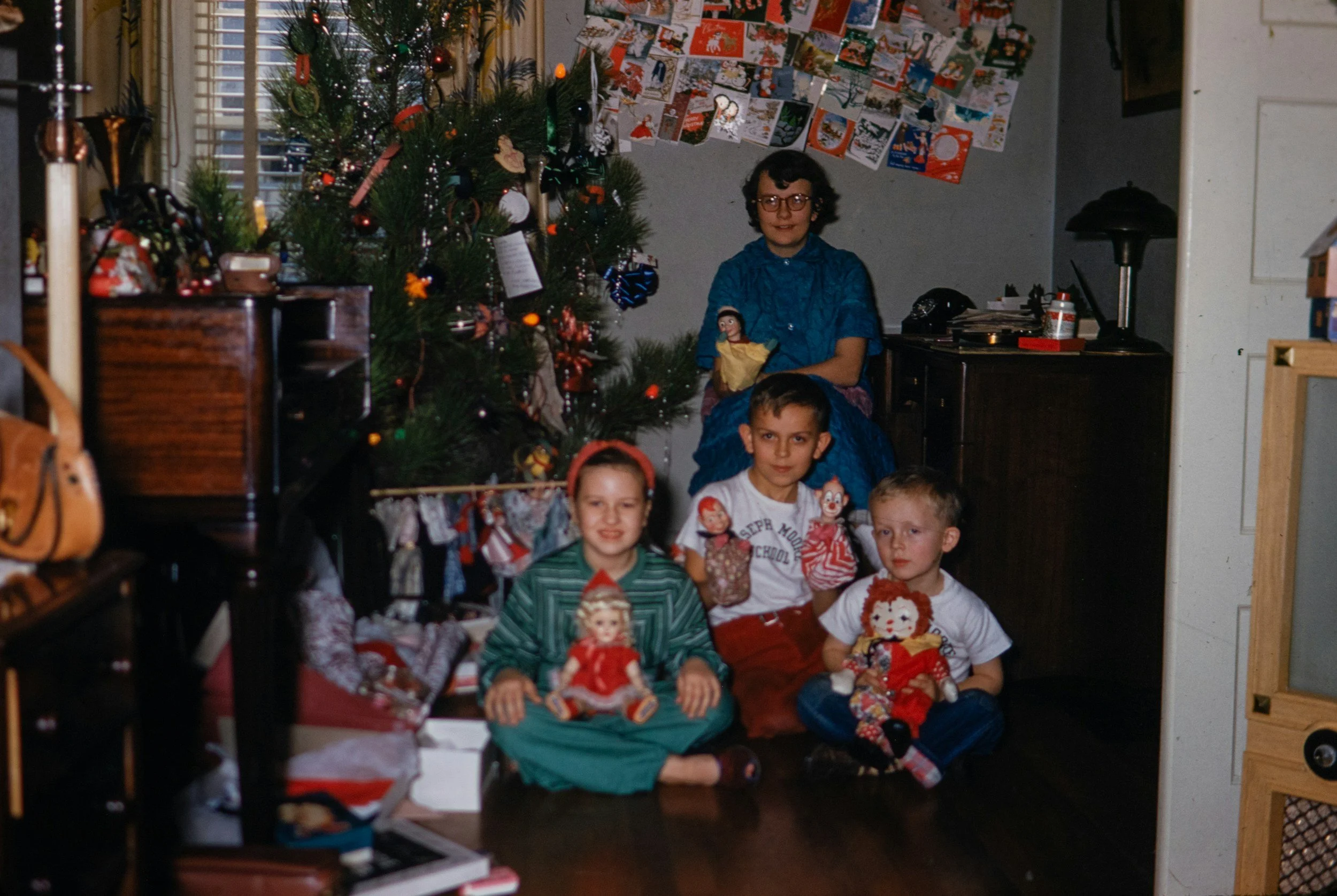
So why do so many people wait until after the holidays to take action? Sociological research reveals a distinct spike in divorce filings every year between January through March, and the reasons behind this timing are deeply human.
First, there is the powerful drive to protect the family unit for one more season, a burden I felt deeply in my own life, and one I watched my former sister-in-law carry as well. Parents intentionally delay life-altering conversations, absorbing the heavy emotional tax themselves to shield their children's holiday memories during a season built on joy.(For practical guidance on managing schedules and child-centered holiday stress, listen to our Co-Parenting Over the Holidays Podcast).
Second, there is the heavy pull of nostalgia. In my work with death loss grievers, nostalgia was a recurring, almost universal presence during the holidays. When the present is painful, the mind instinctively retreats to how things used to be. Nostalgia acts as a psychological buffer against raw grief, a way to anchor ourselves in past warmth to cushion the reality of what is currently unspooling.
In a fading relationship, we often perform that exact same internal math, holding onto past versions of our partnership just to make it through the season: If I can just pull off one more Christmas, maybe we will be okay. But when the holiday lights dim, the tree comes down, and the underlying tension remains, nostalgia inevitably gives way to truth.
(If you have already separated and are navigating this season on the other side, read our blog post on Finding Holiday Joy After Divorce: Navigating Your First Holidays).
When "Holding On" Is About Survival, Not Nostalgia
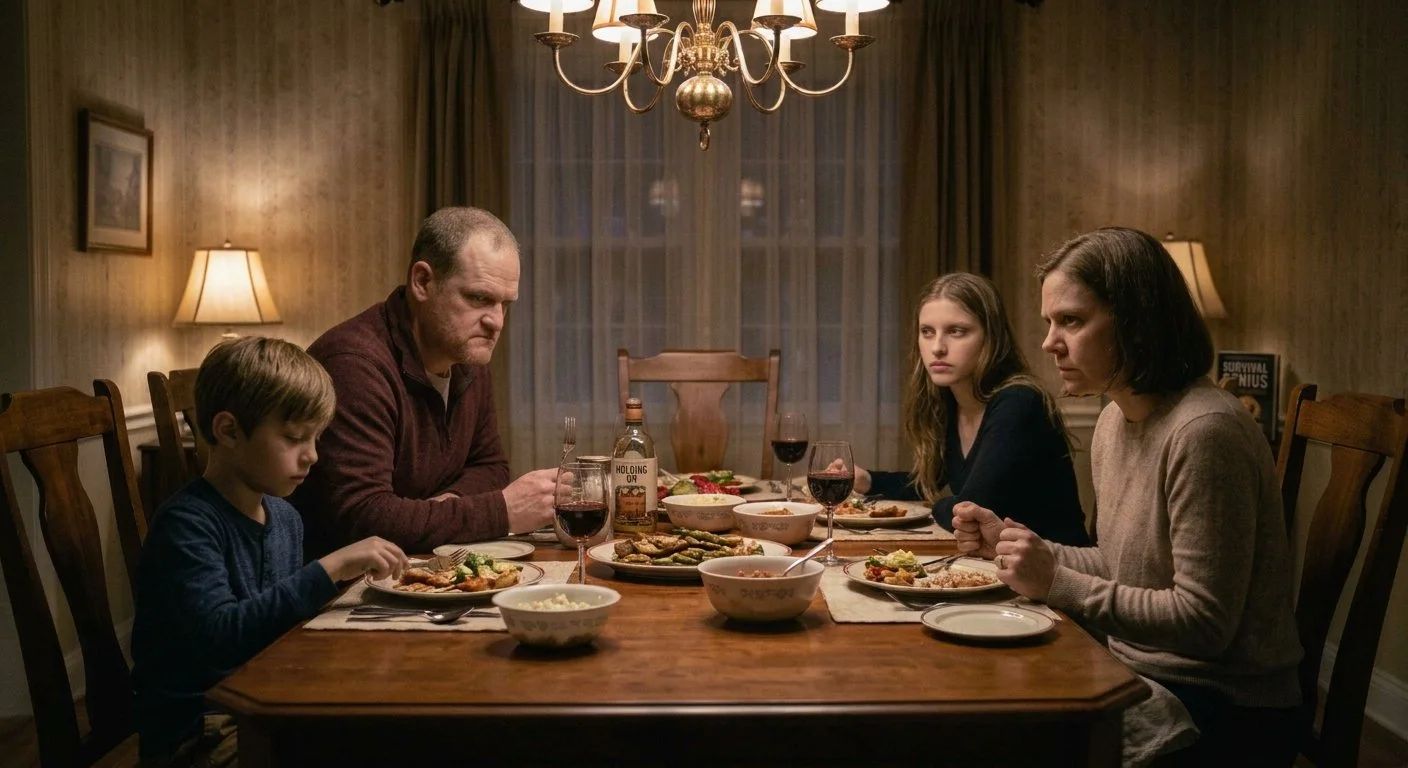
Yet for many, staying through December has nothing to do with holiday nostalgia or preserving memories. Having lived through an abusive marriage marked by manipulation, projection, lies, and constant blame, I know firsthand that remaining in the home is often an act of emotional survival or what I like to call survival Genius.
When you are inside that dynamic, the abuse is frequently so insidious that you may only have an inkling of how bad things truly are. You normalize the dysfunction just to navigate each day. The holiday season then acts as a pressure cooker: forced cheer, financial strain, and family expectations routinely escalate coercive control and volatility at home. In these environments, keeping the peace to make it through "one last Christmas" isn't an act of denial, it is a protective strategy to keep yourself and your children safe until you can step away.
If you are sitting at your holiday table this year feeling that heavy, familiar weight, if you are silently thinking, "I can't live through another year like this, I need you to know three things right now:
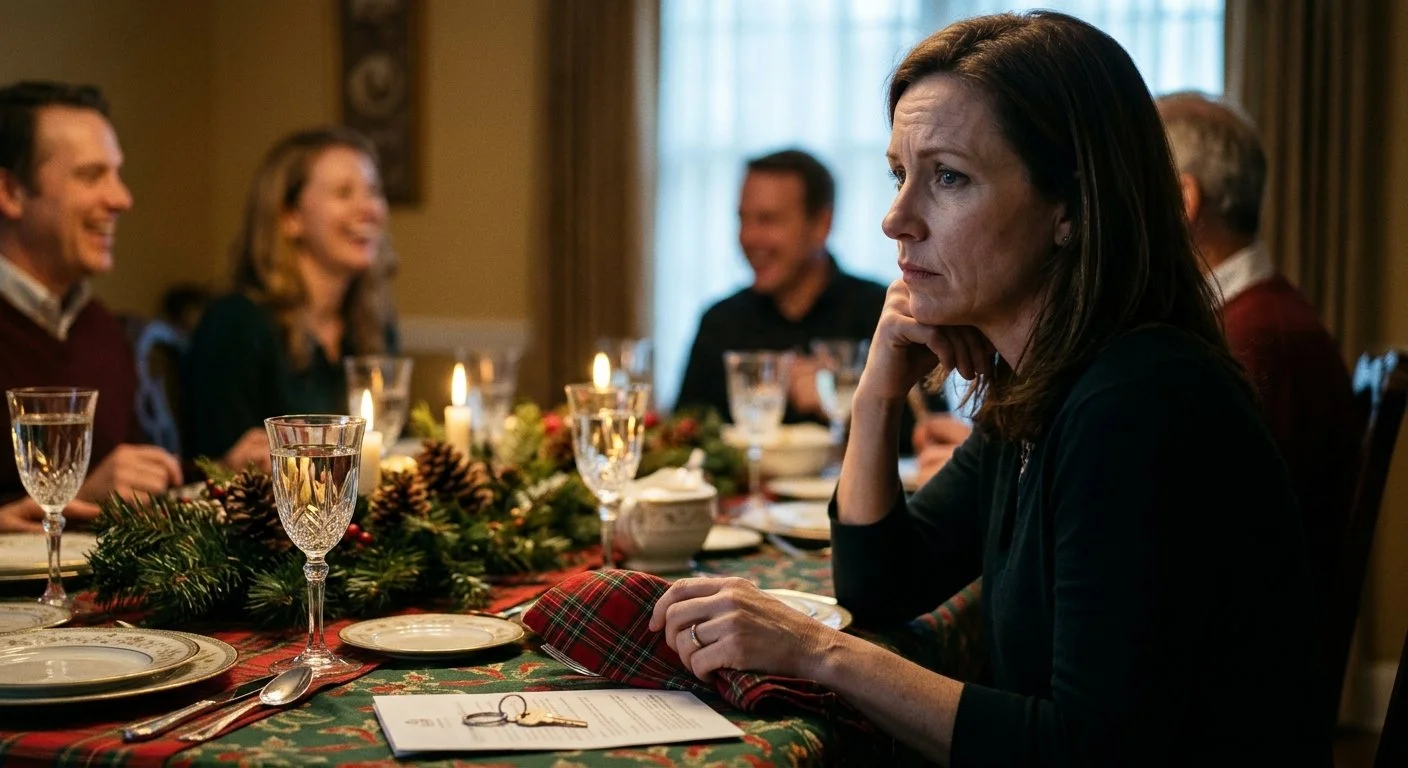
You are not crazy, and you are not alone. The holiday season acts as a powerful magnifying glass on relational distress and covert control.
Your grief is allowed to be messy. It is entirely normal to grieve the safety you deserved while simultaneously recognizing that you cannot stay. You do not need to have everything figured out to acknowledge that you are hurting.
Clarity comes when the dust settles. Right now, your only job is to protect your basic peace and safety. You do not have to map out the rest of your life from inside the storm. My real healing happened when I got physically apart and my nervous system was able to slowly settle down.
As a thanatologist and someone who has walked this path, I know that the grief of an abusive marriage doesn't end when the paperwork is signed. It often takes years to untangle the deception, recognize the full depth of the harm, and grieve the losses such as feeling safe, having an honest partner you deserved to have, and the years spent carrying blame that was never yours to hold.
If your nervous system has been running on adrenaline all December (like most of ours have), the end of the holidays isn't the time to rush into giant, overwhelming decisions, it is the time to catch your breath. Taking small steps to get informed, getting organized, finding the right support, and naming what you've survived is more than enough for right now.
Take the Next Step at Your Own Pace

When the decorations come down and the New Year begins, you don't have to navigate what comes next alone.
Get the Full Workbook: Buy Just Separated on Amazon Worldwide
Try a Free Preview: Download a Free 22-Page Sample Here
Join the Expeoplepleasers Divorce Workshop: Held every other month for live ( recorded for those who can not make it)
Join the Waitlist for Life Theft : Reclaiming Your Time and Identity After Narcissistic Abuse (Coming January 2027) If you are ready to move beyond the crime scene of toxic abuse and use the 4 Room Model to reclaim your identity, pre-order LifeTheft and start recovering your stolen years.
A Note on Safety
If you are experiencing emotional, financial, or physical abuse, your safety comes first. Planning to leave an abusive relationship requires careful preparation. Please reach out confidentially to local support systems or safety advocates before taking legal steps.
In the US: Call 1-800-799-SAFE (7233) or text "START" to 88788 for the National Domestic Violence Hotline.
In Canada: Call or text 211 to reach local community and crisis resources, or call 1-866-863-0511 (ShelterSafe / Assaulted Women's Helpline).
International: Find confidential, local support worldwide through Find A Helpline or Hot Peach Pages.
References & Further Reading
The Gottman Institute. Longitudinal Research on Relationship Strain and Separation Timelines. gottman.com
Brines, J., & Serafini, B. (2016). Is Divorce Seasonal? Research on the Domestic Order. Paper presented at the Annual Meeting of the American Sociological Association, Seattle, WA. University of Washington. washington.edu