
The Armour We Inherited: Unpacking Generations of People-Pleasing and the Fawn Response
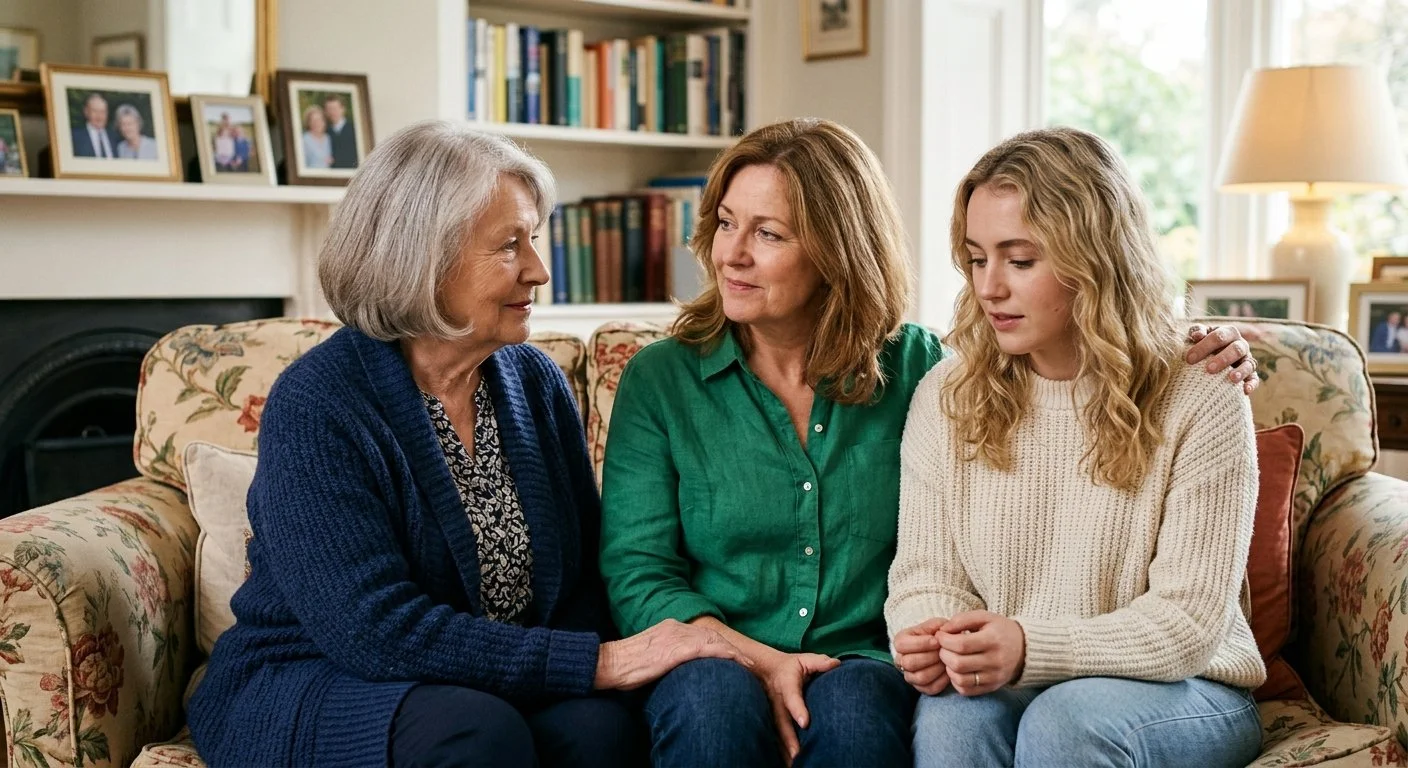
How appeasing became our family heirloom, and why stopping the cycle is the greatest gift we can give our daughters and sons.
For a long time, I thought appeasing people was just part of who I was, a mix of kindness, empathy, or simply a desire to keep the peace. It took decades for me to start figuring myself out, and lately, watching my own daughters' behaviors, to realize the truth: appeasement isn't a personality trait. It’s an inherited survival mechanism.
In psychology, it’s known as the fawn response, a biological stress reaction right alongside fight, flight, or freeze, where your body copes with threat or conflict by instantly over-agreeing, placating, and erasing your own boundaries to keep others safe and calm. When fight or flight feels impossible or unsafe, especially for a child or a woman in an unpredictable environment, the nervous system defaults to fawning because placating the threat becomes the only viable path to safety.
I had no idea what this was or what I was doing for years. I just thought I was being a good daughter, a good wife, and a good person. And I know so many of you are reading this right now thinking, "Yep, that was me, or honestly, that is still me." We literally mistook our survival instincts for being "good women."
To understand where my own fawn response came from, I have to look back at my mother, and maybe even my grandmothers.
The Weight of a Generation
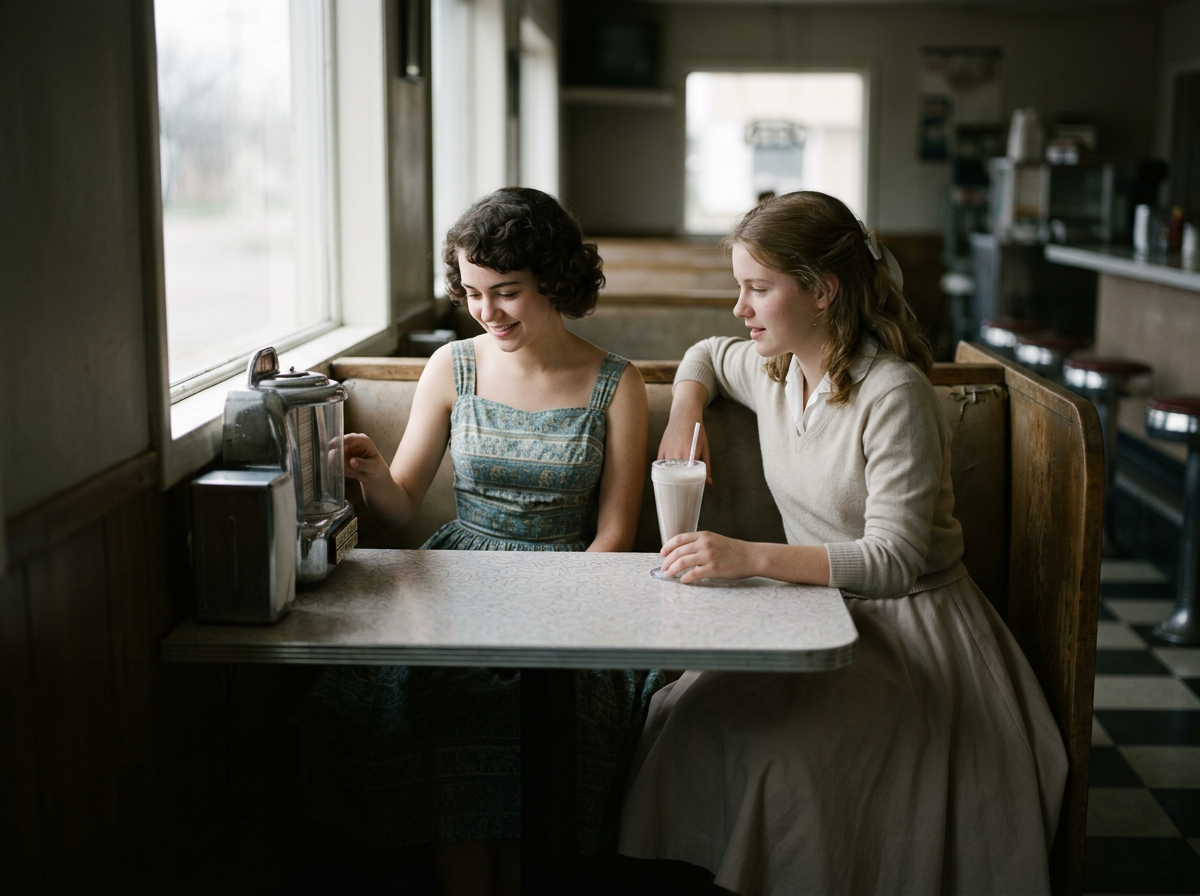
My mom grew up in the 1940s and 50s, an era when girls were explicitly taught that being good meant being quiet, polite, and compliant. Self-erasure was framed as a womanly virtue. When she married my father, that social conditioning met a harsh reality. He cheated multiple times, shamelessly flirting with our nanny right in front of her, and began drinking heavily. When they finally divorced after six short years, leaving my mother alone with a four-year-old and me, at just six months old, the world offered her no safety net and very little support.
Instead, society and even her own family turned away. They blamed her for the "broken home," punishing the woman whose husband betrayed her over and over. It is unbelievable to look back and think about what my mom had to carry.
After the divorce, my father remained antagonistic and difficult, keeping her in a state of constant threat for years. I’ll never forget when I was 14 and in the hospital having bunion surgery. My mom was in the room visiting me when we looked out the window and saw my father arriving with his new wife and their children. He looked up toward us and boasted out loud for everyone to hear, "Look at my family here, we are wonderful!” My mom and I just looked at each other in total, stunned silence, both of us completely shocked by his cruelty.
My mom lived in perpetual survival mode. She had to navigate his ongoing hostility while carrying the shame society dumped on her. She appeased and fawned because it was the only shield she had to keep the peace. She died never knowing what a "fawn response" was, and never realizing she had passed it down to her daughter.
The Mirror & The High Cost

Children don't just listen to what their parents say; their nervous systems tune into their parents' nervous systems. Growing up, I absorbed my mother's hyper-vigilance—a wiring that was only reinforced living with my father and stepmother in an abusive, alcoholic home. Between my mother's quiet survival mode and the eggshell-walking environment of an active alcoholic household, I learned to scan every room, anticipate sudden mood shifts, and swallow my boundaries just to prevent a storm. Because when I didn't, as any normal teenager inevitably does—I was thrown out of the house. Fawning wasn't a personality trait; it was literally my survival shield.
Unknowingly, that childhood wiring dictated my adult life. It shaped what I tolerated and the kind of marriage I eventually accepted. We still joke in my family that we need a "people-pleasing support group", funny on the surface, but deeply heartbreaking underneath. I was wearing the exact same armor my mother wore, using appeasement to survive a difficult dynamic with my children's father.
Related Read: When You’re the One Who Does Everything: The Housework Divide That Breaks Marriages
Because here is the hidden tax of lifelong appeasement: the cost is always yourself.
It costs you your physical and emotional safety, because training yourself to appease unsafe people keeps you anchored in harmful situations long after your gut tells you to run.
It costs you your intuition, because you learn to trust everyone else's comfort over your own instincts.
It costs you your authenticity, because you swap who you really are for who you need to be to keep the room calm.
It costs you your physical health, because your nervous system stays trapped on high alert, storing all the unexpressed anger and words you were forced to swallow.
Related Read: The Medusa Moment: Why People-Pleasers Experience Sudden Explosive Rage
Carrying that weight was exhausting enough, but watching my own children pick up that exact same burden was where my heart truly broke. I looked at my daughters and realized they were beginning to pay that same high price, partly from the environment they grew up in with their father, and partly because they watched me model it every day. I see it when one daughter is consumed by guilt simply for making healthy choices for herself, and when the other struggles to set basic boundaries or say "no" to the people closest to her.
Breaking the Chain

It is a heavy thing to realize you unwittingly passed down the very armor you hated wearing, thought you did not know you were. But there is a profound difference between my mother’s generation and ours: awareness.
My mother was doing the absolute best she could with the tools her era gave her, but she was never given permission to stop placating. And let's be honest: even today, society still quietly rewards women for being flexible, agreeable, and accommodating—while penalizing us the second we set a firm boundary.
Related Read: Exhausted by Peacekeeping? Breaking the Cycle of Chronic People-Pleasing
I am choosing to name this pattern now, not to shame myself or my mom, but to stop the clock on intergenerational trauma.
Unlearning appeasement is messy work. It’s not just about sitting with someone else’s discomfort; it’s about learning to sit with your own. It requires building internal boundaries, changing what you believe about your own worth, so that holding an external boundary doesn't feel like a death sentence. In those moments, when every impulse in my body screams at me to soften the blow to keep the peace, I have to physically pause, feel my feet on the floor, and breathe through the spike of anxiety that comes with standing firm.
It also means actively interrupting the cycle with my daughters. When I see them slipping into old patterns, I call it out with compassion: "That guilt you’re feeling right now? It's just old conditioning, a false alarm. You are allowed to say no."

Every time I hold a boundary, even when my heart is racing, I am changing the relational blueprint for my family. I am showing my daughters that peace bought through self-erasure isn't real peace, that the cost is far too high, and that they never have to shrink themselves to deserve safety and love.
Did you grow up watching a parent wear this same armor, or do you see yourself passing it down? I’d love to hear your story in the comments.
If you are navigating divorce, healing from an abusive relationship, or trying to ensure your children don't inherit the survival patterns you had to carry, you don't have to figure it out alone. In my bi-monthly workshop, Exhausted People-Pleaser, we dive deep into how to build these exact internal and external boundaries so you can stop operating from survival mode. Check the details below to join our next session.
Join Our Free Live Workshop: Exhausted People-Pleasers
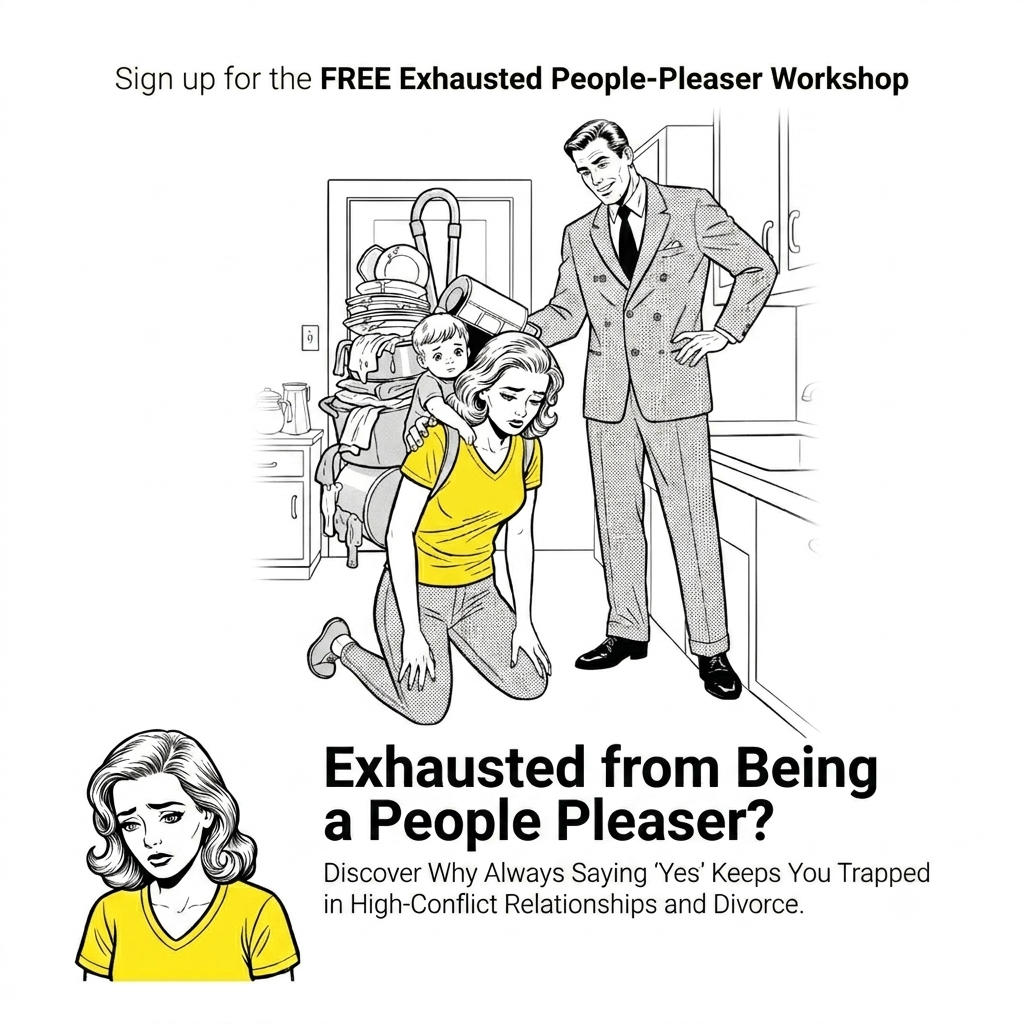
Ready to Stop Putting Everyone Else First?
Join Our Free Live Workshop: Exhausted by Peacekeeping? Breaking the Cycle of Chronic People-Pleasing
Are you ready to stop giving away your "best towels" to people who only want your silence?
Together, we will move from the fog of automatic programming into the light of conscious choice. You aren't "bad" for choosing yourself; you’re finally just coming home.
The Format: A 60-minute "Quiet Session" (no cameras required, no forced sharing) designed to dismantle the bracing reflex and release post-divorce guilt.
The Frequency: Hosted live every other month.
The Bonus: Sign up today and get your Emergency Reset Kit sent straight to your inbox immediately.
👉 [Sign Up for the Free Workshop Here]
(Click below to see our next live date and lock in your spot)