

One of my child’s art work
Published December 2023 | Fully Updated November 2026
The initial Christmas following a divorce can be an incredibly tough and solitary journey. Reflecting on my own experience, I can still recall the deluge of overwhelming anxiety that enveloped me as I anticipated my first Christmas post-separation.
Questions swirled in my mind: How would I spend some of the holidays without my children? How would my family respond to my new status? Adjusting to this significant change in my holiday dynamics brought forth a multitude of feelings, leaving me with a blend of apprehension, grief, and uncertainty.
Key Takeaway: Holiday grief after separation is a natural response to changing family dynamics and sensory memories. By planning for quiet moments, establishing one new tradition, and setting co-parenting boundaries, you can protect your peace and rebuild holiday joy.
Why the Holidays Feel So Heavy After Separation
The emotional impact of the holidays post-divorce can feel remarkably similar to grieving a death. We naturally remember holidays far more vividly than other days of the year—a phenomenon known as an anniversary reaction. Because December is filled with intense sensory cues like pine, holiday music, and cold air, our nervous systems hold onto these somatic (body) memories, making the contrast between past and present feel sharp and immediate.
As a thanatologist and grief practitioner, I frequently see key overlaps between navigating a death loss and navigating divorce:
Memories linger like sensory echoes: Divorce doesn't come with an eraser for past holidays—even those marked by turbulence.
The contrast between past and present is heightened: Seeing old traditions change highlights what is missing, triggering a physical response before you even consciously process it.
Grief and relief often coexist: You can feel genuine relief to be out of an unhealthy relationship while simultaneously grieving the loss of family structure or shared rituals.
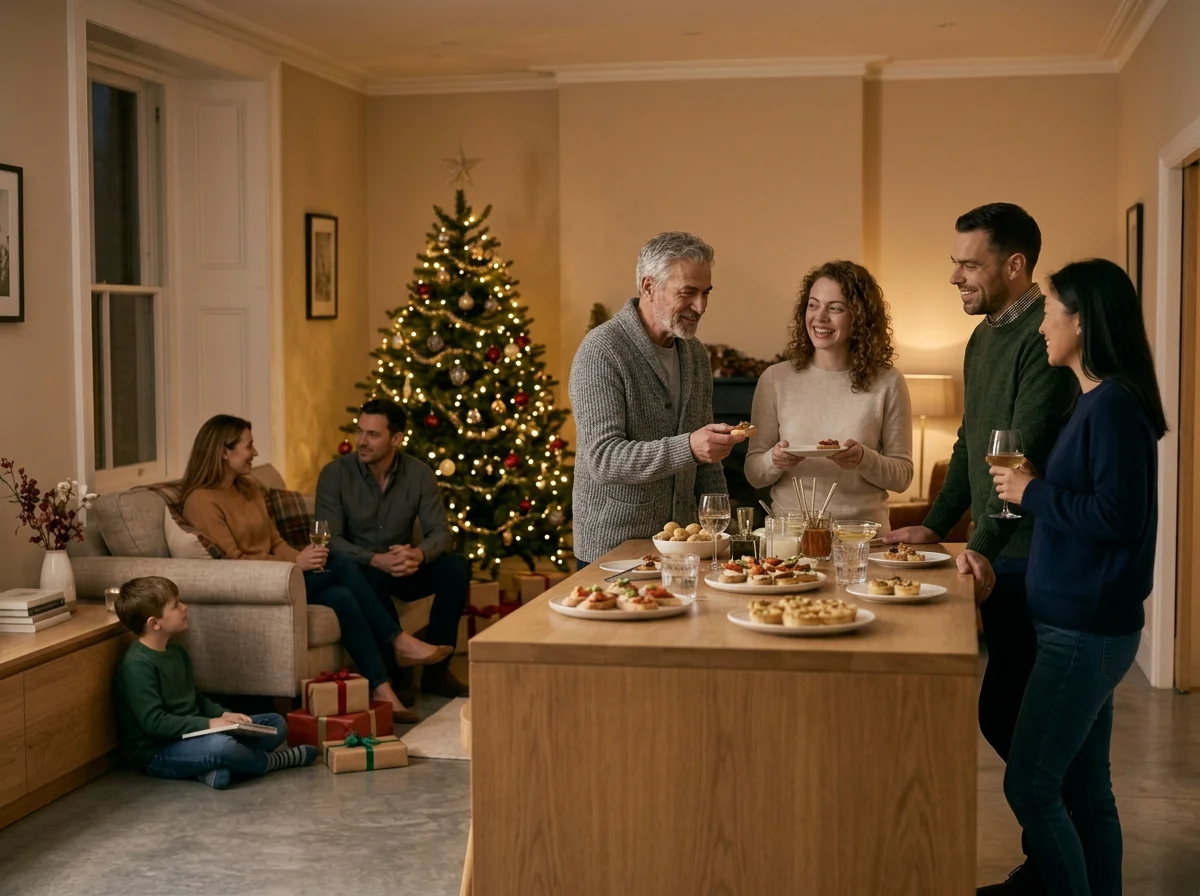
Years ago, Christmas Eve in our home was defined by our annual open house, the constant knock at the front door, the scent of warm food, and a living room filled with Christmas music, friends, and laughter. We even had to set out card tables just to make sure everyone had a spot to sit. Looking back, I reflect and wonder what happened to that joy we used to have.
On that first Christmas Eve post-separation, sitting in the quiet with my children, the realization of how much had changed hit me with real grief, though I also felt a distinct sense of relief. Looking at how much had transpired, moving from those nostalgic, bustling parties to this new, much quieter reality, was a heavy moment to process.
With time and perspective, I’ve learned to embrace that shift. That quiet wasn't a permanent void, it was simply the space where our new, peaceful rhythms were beginning.
Preparing for the Holidays: Co-Parenting Challenges and Managing Expectations

The holiday season often brings peak anxiety when co-parenting challenges disrupt how celebrations are structured. This shift is especially acute during your first year adjusting to a new family dynamic. Just as intentional planning is essential for navigating bereavement, preparing for potential co-parenting complications is vital for protecting your emotional well-being.
Anticipating schedule shifts—especially planning ahead for the hours or days you won’t have your children—helps reduce anxiety and allows you to approach the season with a clearer, more grounded mindset.
By addressing potential custody friction well in advance, you manage expectations and give yourself space to cope with the emotional ups and downs of the season. These proactive steps allow you to create a holiday experience that feels manageable, supportive, and peaceful despite the complexities of shared custody.
Listen on the Podcast: For a deeper discussion on supporting children through holiday schedule shifts—including tailored advice for neurodivergent kids or children with extra needs—listen to my podcast episode: Holiday Co-parenting After Divorce: Reducing Stress For All Kids, Including Those with Special Needs.
Deeper Dive: For a comprehensive guide on setting boundaries, handling handoffs, and managing high-conflict dynamics, read my complete guide: Holiday Co-Parenting Survival Guide: Balancing Front Stage and Backstage Roles.
5 Practical Strategies to Rebuild Holiday Peace
1. Reevaluate Your Traditions

Start by conducting an inventory of the holiday traditions and rituals that held significance in your past. Some of these memories may still bring warmth, while others might have become mere habits. Make a thoughtful distinction among them: consider which traditions you genuinely wish to preserve, those you'd like to adapt to your new circumstances, and those that are best to bid farewell to.
A Client Story: I worked with a client whose former spouse was never interested in attending Christmas Eve church services, so they simply never went. Once separated, when she had her children on Christmas Eve, attending service became a deeply meaningful new ritual they reclaimed and shared together.
2. Establish One Simple New Tradition
Take a proactive step to establish a ritual that belongs entirely to this new chapter of your life. After my separation, I took my children out and, together, we each selected a unique ornament for the Christmas tree. It was a complete departure from our past routines and something entirely our own.
Creating a new tradition gives you a sense of agency, introduces fresh energy, and promotes healing through joyful new memories.
Low-stress ideas to try: Going to a holiday movie, hosting a board game night, holiday-sweater bowling, volunteering at a local food bank, holding a DIY family gift exchange, or taking an evening drive to tour local holiday lights.
3. Embrace the Shift in Perspective
Acknowledge that your holiday season will simply have a different texture post-divorce. It is completely normal for traditions to evolve over time. While the holidays may not resemble what they used to, this transformation doesn't mean they cannot hold their own unique charm and moments of genuine happiness. It’s about learning to appreciate the season within your current reality.
4. Map Out Your Support Network (The W.L.D. Framework)
Loneliness during the holidays after divorce is common, but you do not have to navigate it isolated. Reach out to friends, family, or professionals who specialize in divorce and emotional well-being. Surrounding yourself with people who understand and uplift you makes all the difference.
Support Tool: In our Just Separated workbook, we use an exercise called the W.L.D. Framework where you list out your friends, family, and neighbors to clarify who in your life serves in three distinct roles:
Workers: People who offer practical help (errands, meals, or childcare).
Listeners: Friends who give you space to vent without trying to "fix" your feelings.
Doers: Companions who get you out of the house for a walk, a coffee, or a healthy distraction.
5. Balance Responsibilities & Self-Care
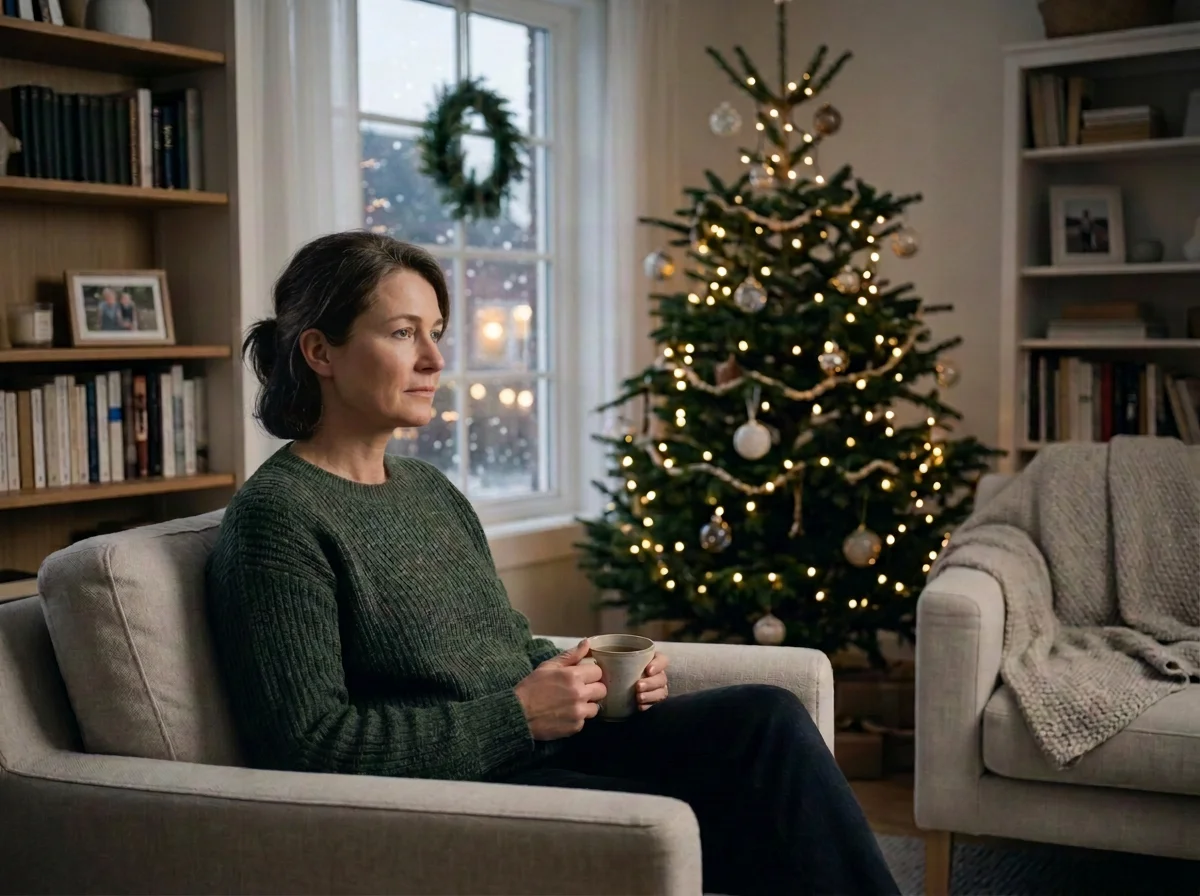
The holiday season post-divorce can feel like a heavy juggling act between co-parenting obligations and personal recovery. Strive to balance focused, present time with your children alongside dedicated moments for your own rest and reflection. Taking care of your nervous system ensures you can show up fully for your loved ones without running on empty.
A Personal Reflection: Because we had no formal parenting plan in place for our first Christmas, I suggested we alternate Christmas Eve and Christmas Day each year. He asked to have the kids during the day on Christmas, and I agreed. That first Christmas morning without them was deeply painful. Having grown up as a child of divorce myself, I knew firsthand how confusing and difficult it was to split Christmas Day in two. Even so, I did my best to move through the ache of that quiet morning, taking time to reset so I could prepare the house, and myself—to warmly welcome them home later in the day.
5 Mindful Ways to Stay Present When Overwhelmed
1. Practice Grounding & Somatic Movement
When emotional heaviness or anxiety hits, anchor yourself in your physical body:

Deep Breaths & Box Breathing: Take three slow, deliberate breaths, inhale for four counts, hold for four, exhale for four, to signal safety to your nervous system.
Gentle Movement: Step outside for a brisk 10-minute walk in the cold air, stretch your shoulders, or simply press both feet firmly into the floor. Moving your body physically discharges built-up stress energy instead of storing it inside. I love being in nature and walking in the forest.
(For a deeper look at why these emotional spikes happen specifically in December, read my post on Grief After Divorce: Why the Holidays Hurt and What Actually Helps.)
2. Connect with Loved Ones & Find Simple Meaning
Visit Friends or Family: Don't isolate in quiet spaces if it feels too heavy. Step out to visit a trusted friend, drop by a neighbor's house, or attend a warm family gathering where you can simply be without needing to entertain.
Look for Micro-Meaning: Meaning during a post-separation holiday doesn't require massive gestures. It can be found in small, quiet moments: baking a simple treat, leaving out warm drinks for delivery drivers, or volunteering an hour at a local shelter.
Social Navigations: If going to gatherings as a newly single person feels uncomfortable or intimidating, check out my guide on Finding Joy After Divorce: When You Feel Like the Fifth Wheel for practical ways to handle social events with confidence.
3. Engage Your Physical Senses
Use your senses as an anchor to bring your mind back from past memories or future worries to the present moment:
Sight: Notice the soft glow of Christmas lights or candle flames.
Sound: Listen closely to the crackle of a fireplace or calm music.
Smell & Touch: Hold a hot mug of cider or tea in both hands, noticing the warmth against your palms and the scent of cinnamon or pine.
4. Limit Screen Time & Social Comparison
Set firm boundaries on phone and social media use. Scrolling through curated highlights of other families' holidays can trigger subconscious comparison and deepen feelings of loss. Put your phone away during family time or quiet rest hours.
5. Protect Your Peace (You Can Say "NO")
Do not be afraid to say "no" to invitations, obligations, or events that drain your energy or no longer serve you. Simplifying your commitments gives you the space to recharge, stay present, and protect your emotional boundaries. Just be mindful that you are not saying No to everything.
Reclaiming Your Season
The first Christmas after divorce can be emotionally challenging, as it was for me but it's also an opportunity for growth and self-discovery. By planning, choosing which traditions to carry forward, and embracing change, I learned that it was possible to find joy and meaning in the holiday season once again.
Divorce can feel overwhelming—but the right support makes all the difference.

Just Separated: A Hands-on Workbook for Your Separation and Divorce is your go-to guide for navigating the emotional, legal, financial, and co-parenting challenges of divorce. With practical exercises and expert insights, you can find clarity, regain confidence, and take control of your next chapter, without needing to read cover to cover.
Get the Full Workbook: Buy Just Separated on Amazon Worldwide
Try a Free Preview: Download a Free 22-Page Sample Here